
In a horrifying incident that has sparked international outrage, 23-year-old Ukrainian refugee Iryna Zarutska was brutally stabbed to death on a Charlotte light rail train in North Carolina, United States, last month.
The unprovoked attack, captured on chilling surveillance footage, has not only exposed the vulnerabilities of public transport and DEI hiring practices but also ignited fierce debates over lenient judicial decisions and societal apathy. As New Zealanders watch from afar, this case serves as a stark reminder of how systemic failures can lead to preventable tragedies.
Zarutska, who fled war-torn Ukraine in 2022 seeking safety and opportunity in America, was living what many described as the “American dream”.
She had settled in Charlotte, where she worked at Zepeddie’s Pizzeria and studied at Rowan-Cabarrus Community College, aspiring to become a veterinary assistant. On the evening of 22 August 2025, after finishing her shift, she boarded the Lynx Blue Line light rail to head home. Surveillance video released by the Charlotte Area Transit System shows her sitting quietly, engrossed in her phone with earbuds in, when 34-year-old DeCarlos Brown Jr. suddenly pulled out a pocket knife and stabbed her multiple times, including fatally in the neck.
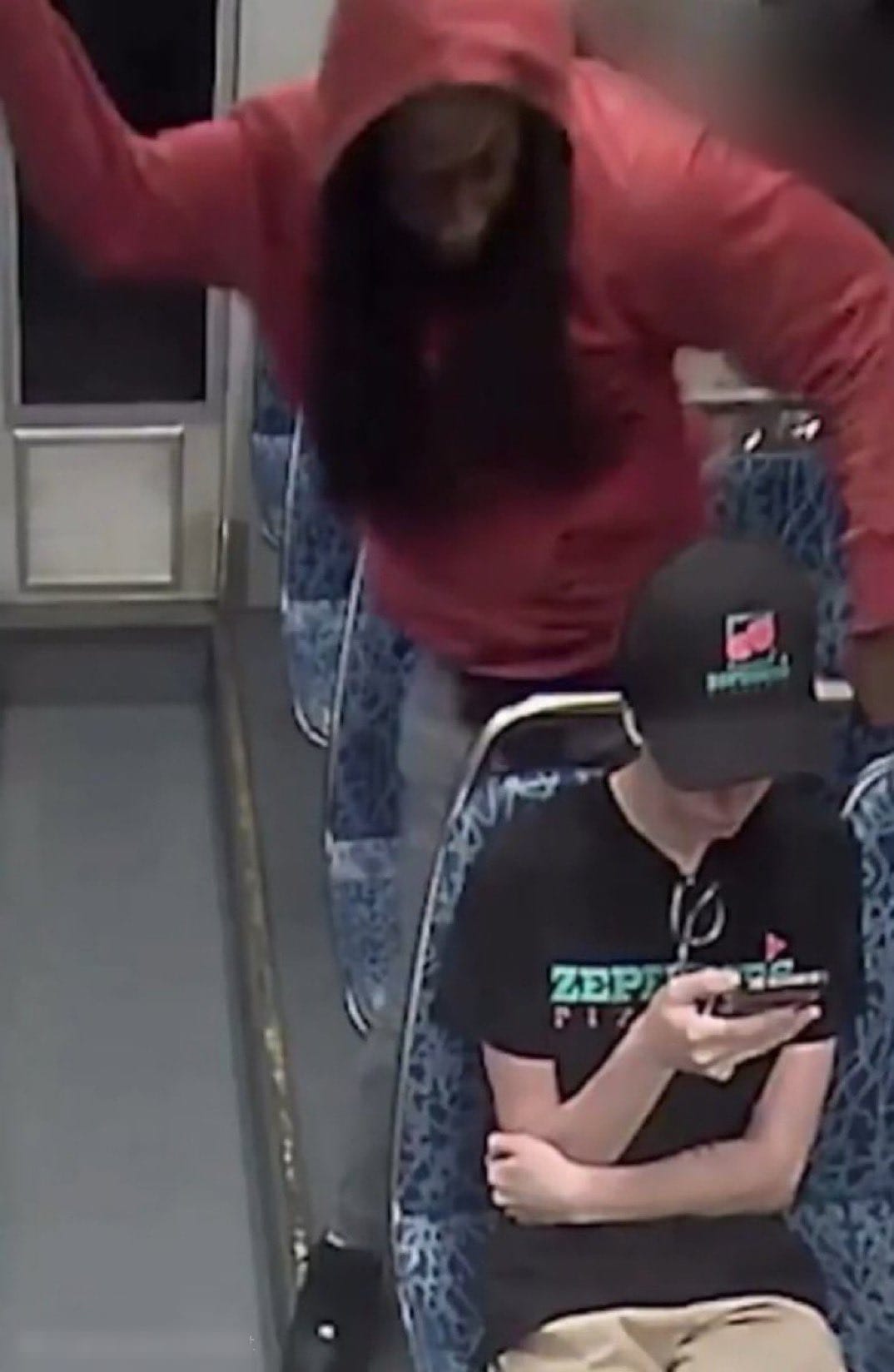
She collapsed to the floor, and Brown calmly exited the train at the next stop, where he was arrested by police.
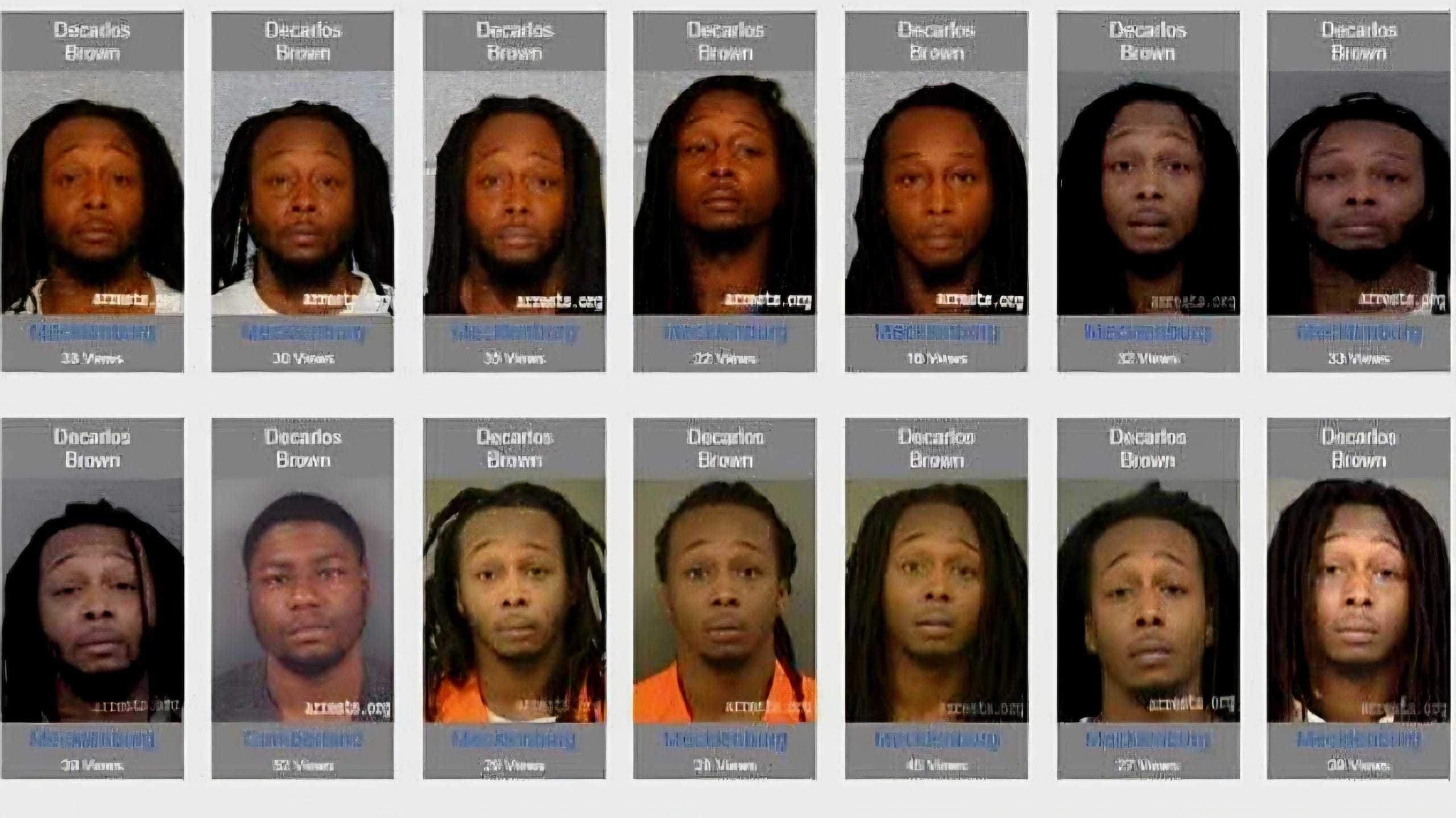
Brown, a homeless man with a documented history of mental issues and a lengthy criminal record dating back to 2011—including armed robbery, assault, and breaking and entering—had been released from custody just months earlier. He served over five years in prison for robbery with a dangerous weapon and was paroled in 2020, but his mental health issues persisted, leading to erratic behaviour and multiple run-ins with the law. In January 2025, Brown was arrested for misuse of the 911 system, a misdemeanour, yet he walked free on a mere handwritten promise to appear in court.
This decision has drawn sharp criticism, particularly towards Magistrate Judge Teresa Stokes, who authorised Brown’s release without bond. Stokes, an appointed magistrate in Mecklenburg County, has been labelled a “DEI hire” by critics, pointing to her appointment under diversity, equity, and inclusion initiatives that prioritise representation over qualifications.
Unlike elected judges, North Carolina magistrates like Stokes are not required to hold a law degree or be admitted to the bar, a loophole that has come under fire in this case.

Conservative commentators, including journalist Laura Loomer, have accused Stokes of lacking the necessary expertise, arguing that her decision exemplified “soft-on-crime” policies that endanger the public. North Carolina Republicans, led by Congressman Tim Moore, have demanded her removal, signing a letter urging formal proceedings to oust her from the bench.
Stokes’ history, including past struggles with addiction, has only fuelled the backlash, with many questioning whether DEI-driven appointments compromise judicial integrity and public safety.
The tragedy doesn’t stop at judicial failings. The surveillance footage, which has gone viral, reveals a disturbing lack of intervention from other passengers on the train. Despite the attack unfolding over several seconds in a public space, no one appears to have stepped in to help Zarutska or confront the assailant. This bystander inaction echoes the infamous “bystander effect”, where individuals in a group fail to assist in emergencies, assuming someone else will. While the video shows no security personnel in the specific carriage (though officers were present elsewhere on the train), the absence of any passenger response has been widely condemned as a symptom of societal desensitisation to violence.
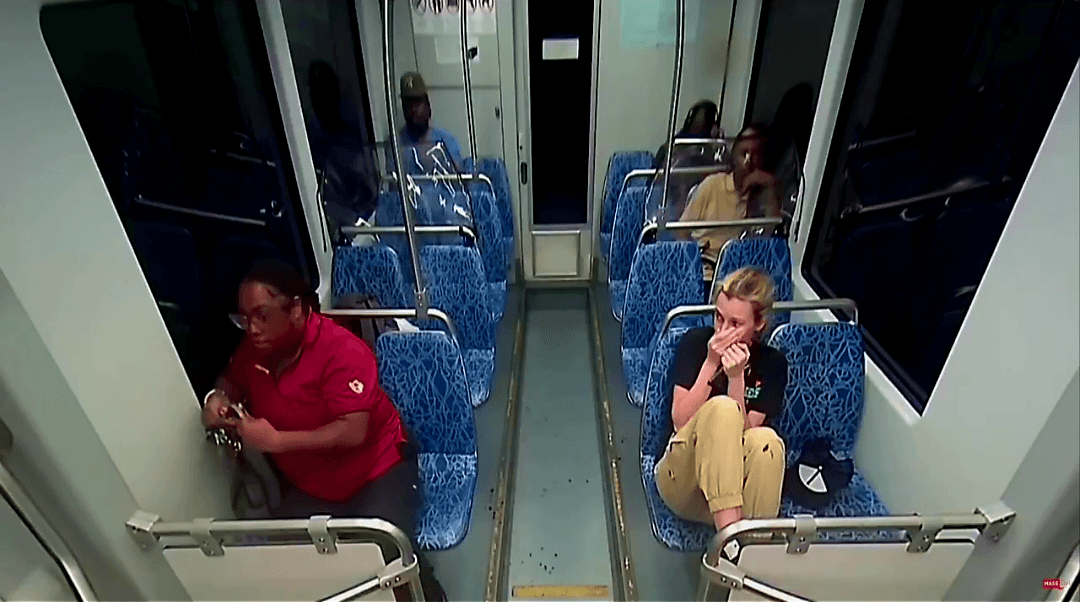
Commentators have lamented this as a breakdown in community responsibility, with one social media user noting, “In a crowded train, how could no one lift a finger?”
The murder has quickly become a flashpoint in U.S. politics, with President Donald Trump and his administration using it to criticise “failed soft-on-crime policies”. The Justice Department has since charged Brown with federal crimes, including murder, in a move seen as overriding local leniency.
Charlotte Mayor Vi Lyles has also faced backlash for her initial response, which focused on the suspect’s mental health and homelessness rather than the victim, though she later promised enhanced security measures on transit.
For Zarutska’s family and the Ukrainian community, the loss is immeasurable. A talented artist and “true friend”, as described by her employer, she represented hope amid despair. Ukraine’s Ministry of Foreign Affairs has been in contact with U.S. investigators, highlighting the global ramifications of such violence.
As Kiwis reflect on this from across the Pacific, it underscores the importance of robust judicial standards and community vigilance.
Conservative commentators are holding that DEI initiatives, while well-intentioned, must not come at the expense of competence, and society must foster a culture where bystanders become upstanders.