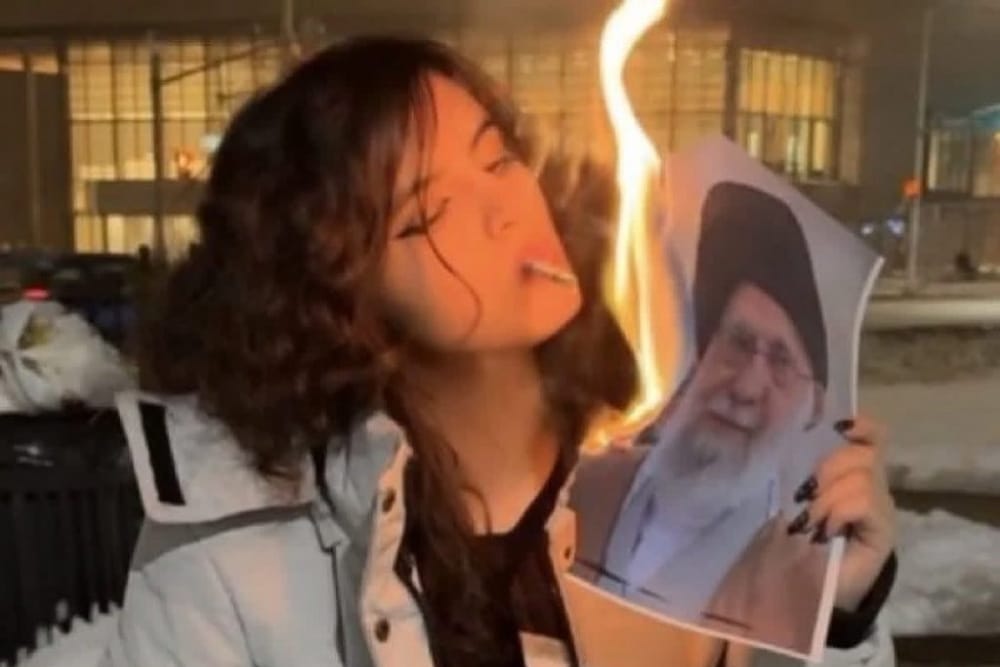
Iran is experiencing widespread anti-government protests, described as the largest since the 2022–2023 Mahsa Amini uprising.
The demonstrations began on 28 December 2025 in Tehran’s Grand Bazaar, initially triggered by a sharp collapse in the rial currency, high inflation (exceeding 42%), unemployment, and broader economic hardship. They have since spread to more than 185 cities and towns across all 31 provinces, involving hundreds of protest locations.
Participants include ordinary Iranians such as workers, students, bazaar merchants, and families, who have voiced demands for dignity, women’s rights, economic relief, and in many cases, an end to the Islamic Republic’s rule through chants and actions calling for regime change.
Iranian authorities have responded with a range of measures, including a nationwide internet blackout imposed from 8 January 2026, mass arrests (with reports of thousands detained, including children as young as 14, through protest dispersals and home raids), and the use of lethal force.
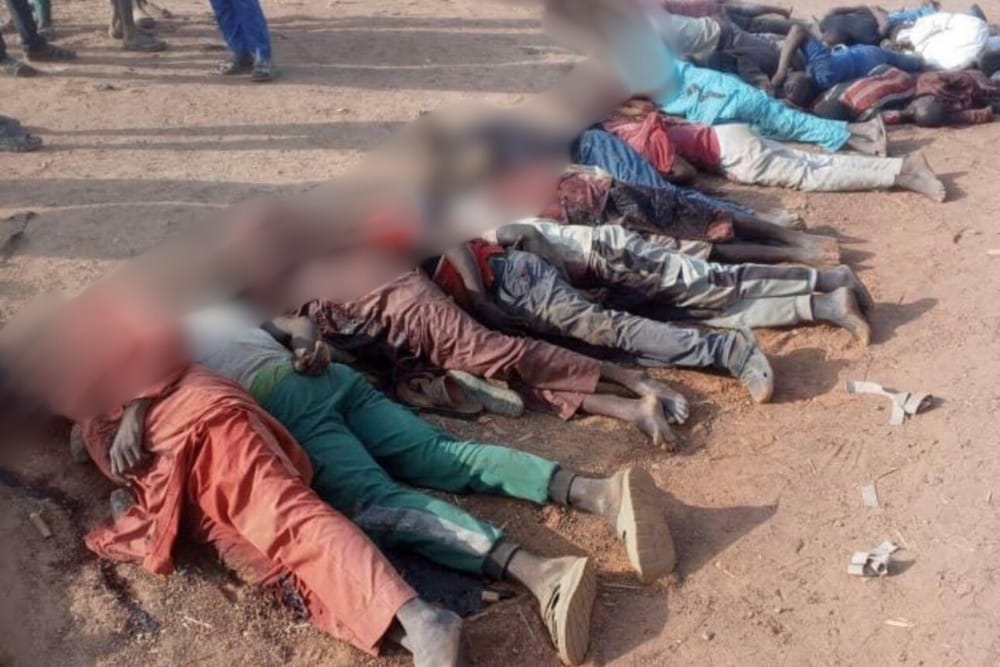
Human rights organisations have documented protesters and bystanders killed (including children) in the initial phases up to early January 2026, primarily from security forces’ use of live ammunition, with higher figures reported in some sources amid ongoing violence and overwhelmed hospitals.
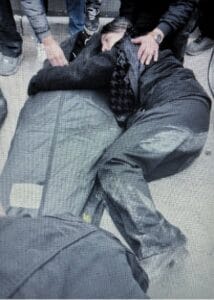
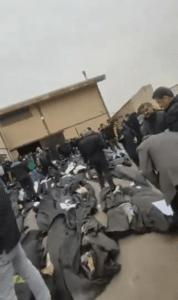
Additional reports indicate escalation in subsequent days, though independent verification is complicated by the communications restrictions.
Security forces have clashed with crowds, and Iranian officials have labelled protesters as “rioters,” “vandals,” or agents influenced by foreign powers to justify the response.
President Masoud Pezeshkian and Supreme Leader Ayatollah Ali Khamenei have attributed elements of the unrest to external interference by the United States and Israel, with threats of retaliation, while emphasising that the core grievances stem from long-standing domestic economic challenges and mismanagement.
The Islamic Republic has long been designated by the United States as the world’s leading state sponsor of terrorism since 1984, due to its support for proxy groups such as Hezbollah and Hamas through funding, training, and arming, which contributes to regional instability.
From a New Zealand perspective, as a country that values democracy and human rights, the Ministry of Foreign Affairs and Trade (MFAT) has expressed grave concern over reported killings of protesters, describing peaceful protest as a fundamental human right and calling on Iranian security forces to refrain from violence. MFAT has also updated SafeTravel advice, maintaining Iran as a ‘Do Not Travel’ destination for New Zealanders.
Iranian diaspora communities in New Zealand have held solidarity events in support of the protesters.
Conservative commentators have noted that some New Zealand political figures and activists, including Green MP Chlöe Swarbrick, activist John Minto, and Te Pāti Māori co-leader Debbie Ngarewa-Packer, have been vocal in the past on Palestinian causes and framing groups like Hamas as ‘resistance’, yet public statements from these individuals specifically addressing the current Iranian protests appear limited or absent in available reports.
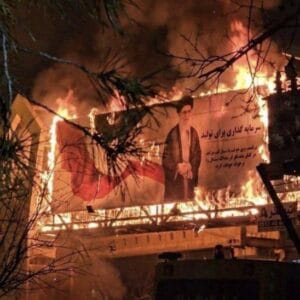
The protests continue to intensify, with reports of crowds defying restrictions, strikes in markets, damage to regime symbols (such as police kiosks and buildings), and chants directed against leadership.
As protests intensify – with crowds defying curfews, setting fire to police kiosks and regime symbols, and chanting against the dictator – this could be the tipping point for the faltering theocracy.
The situation remains fluid and fast-moving, with reports of ongoing violence and potential further escalation.