In a significant escalation of tensions in the Middle East, the United States and Israel have conducted a coordinated military operation against Iran, targeting key military and nuclear facilities.
The strikes, which commenced on 28 February, aim to dismantle what officials describe as imminent threats posed by Iran’s ballistic missile programme and nuclear ambitions.
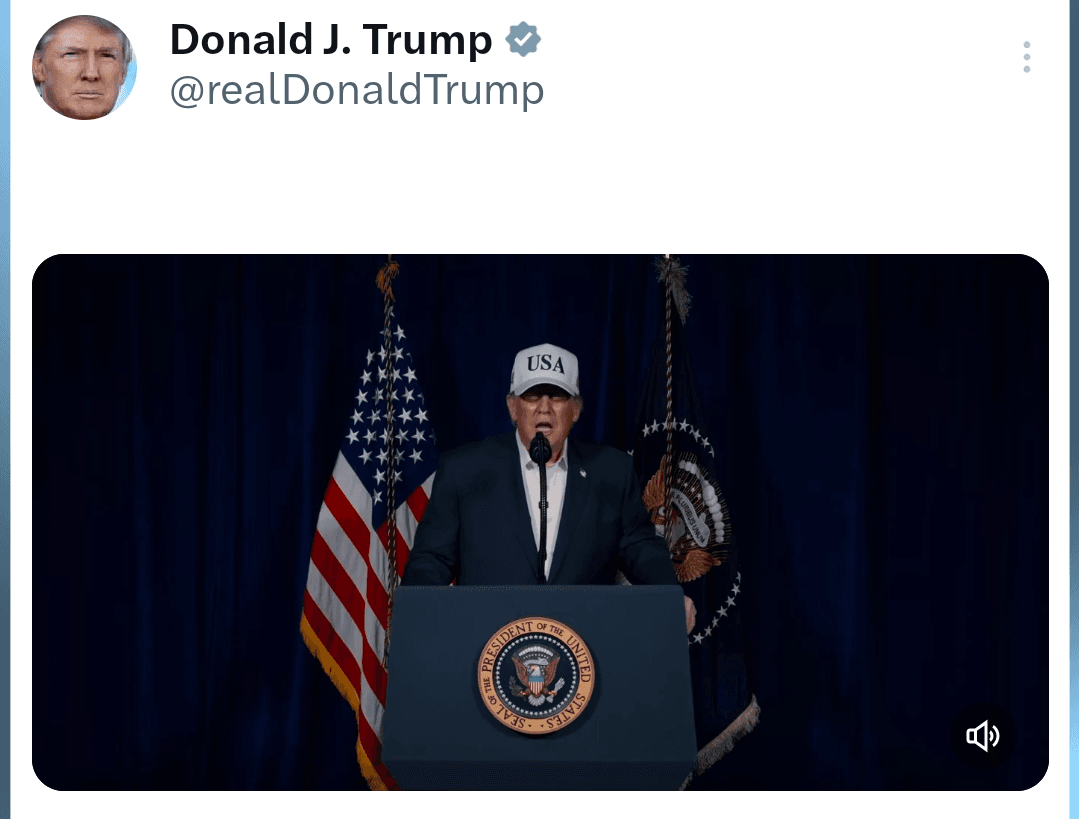
President Donald Trump announced the beginning of “major combat operations” in a video message, urging the Iranian people to seize the opportunity for change once the operations conclude.
The operation, dubbed “Operation Epic Fury” by the US and “Roaring Lion” by Israel, involved over 200 Israeli fighter jets striking approximately 500 targets, including air defences, missile sites, and command centres.
Israeli Prime Minister Benjamin Netanyahu stated that the action was necessary to “remove the existential threat” from the Iranian regime, thanking President Trump for his leadership in the joint effort.
Reports indicate that the strikes have targeted Iranian political and military leaders, with unconfirmed claims that Supreme Leader Ayatollah Ali Khamenei may have been killed in the assault.
Iranians Celebrate Worldwide and Inside Iran
As news of the strikes spread, scenes of jubilation have erupted among Iranians both inside the country and across the global diaspora, signalling widespread relief and hope for a new chapter.
In Tehran and other major cities such as Isfahan and Shiraz, crowds have gathered in the streets, waving flags, honking car horns, and chanting “Freedom at last!” and “Death to the dictator!”
Videos circulating on social media show people dancing and distributing sweets in public squares:
Similar celebrations have broken out in Iranian communities worldwide, from Los Angeles and Toronto to Berlin and Sydney.
In New Zealand, members of the Iranian diaspora in Auckland organised spontaneous gatherings outside the Auckland War Memorial Museum and in central city parks, holding placards reading “Thank you Israel and USA” and “Free Iran Now”. Local Iranian-New Zealanders, many of whom fled the regime in previous years, expressed gratitude for what they called a liberating strike.
These outpourings of joy have been interpreted by US and Israeli officials as powerful validation of the operation’s goal to support the Iranian people against their leadership.
Iran has responded with retaliatory missile and drone attacks on Israeli territory and US military bases in the region, leading to reports of casualties and heightened alerts across the Middle East:
Iranian state media reported over 200 deaths within the country, including civilians, and denounced the strikes as a violation of international law.
The Iranian foreign ministry has called for an urgent UN Security Council meeting, emphasising that the attacks occurred amid ongoing nuclear negotiations.
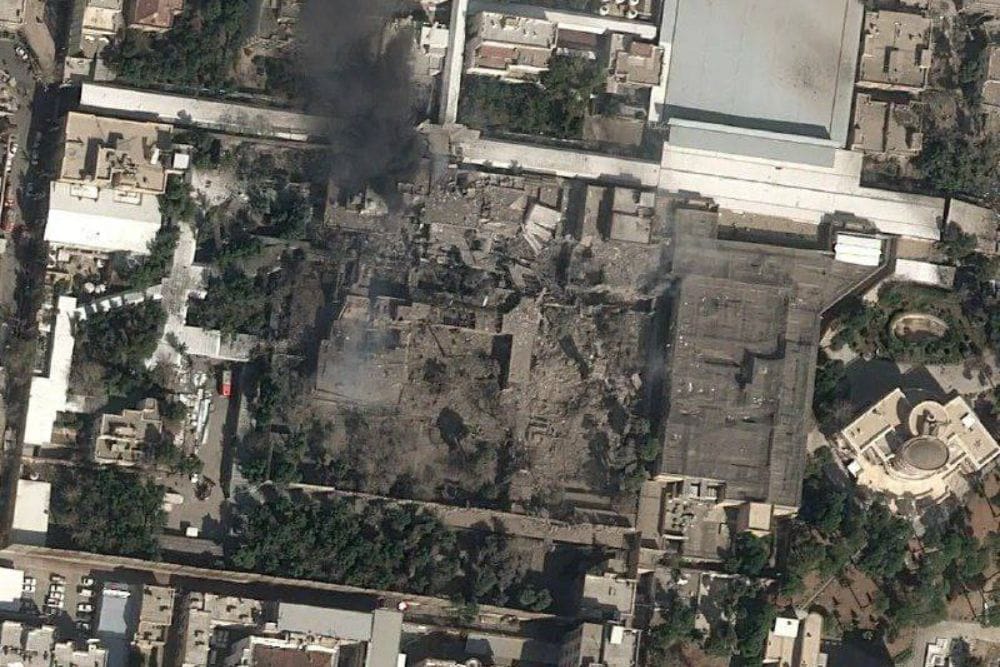
Initial reports by some mainstream media outlets claiming that allied strikes had bombed a school were later debunked.
Satellite imagery, debris analysis and independent verification confirmed the explosion was caused by a misfired missile from Iran’s own Revolutionary Guard Corps:
While the strikes represent a defensive measure against perceived aggression from Tehran, according to US and Israeli officials, they have sparked international concern over a potential broader conflict.
Experts note that the operation follows months of planning, amid Iran’s refusal to agree to a new nuclear deal and its crackdown on domestic protests.
President Trump has framed the action as a step towards “freedom for the people of Iran”, suggesting it could pave the way for regime change.
Potential Global Disruptions
The conflict has already raised alarms about disruptions to global energy supplies, particularly oil. Iran controls the Strait of Hormuz, through which about 20% of the world’s oil supply passes daily. Reports indicate that oil tankers have halted transit through the strait amid the hostilities, potentially leading to immediate shortages. Brent crude prices, which were hovering near $73 per barrel prior to the strikes, are expected to spike, with analysts predicting rises of $5 to $10 per barrel in the short term if infrastructure remains unaffected.
A prolonged disruption could push prices beyond $90 per barrel, affecting petrol costs worldwide, including in New Zealand where imported fuel prices could rise by up to 20 cents per litre in the coming weeks. Iran’s daily oil exports of around 1.6 million barrels, primarily to China, may be curtailed, forcing buyers to seek alternatives and driving up global demand pressures. Additionally, air travel in the region has been severely impacted, with flights rerouted and cancellations widespread.
International Reactions
World leaders have expressed varied responses. Some allies have voiced support for the strikes as a necessary response to Iranian threats, while others, including European nations, have called for restraint to avoid a wider war.
In New Zealand, the government has described the situation as a complex matter of regional security while noting the reported celebrations among the local Iranian community. The UN has urged all parties to de-escalate, highlighting the risk to civilian lives and regional stability.
As the situation unfolds, the international community watches closely, hoping for a swift resolution that addresses security concerns without further escalation.
The strikes, coupled with the visible support from ordinary Iranians and the clarification of misleading early reports, underscore the fragile balance in the Middle East, where actions to counter perceived threats can have far-reaching consequences on global security and economies – including here in New Zealand.
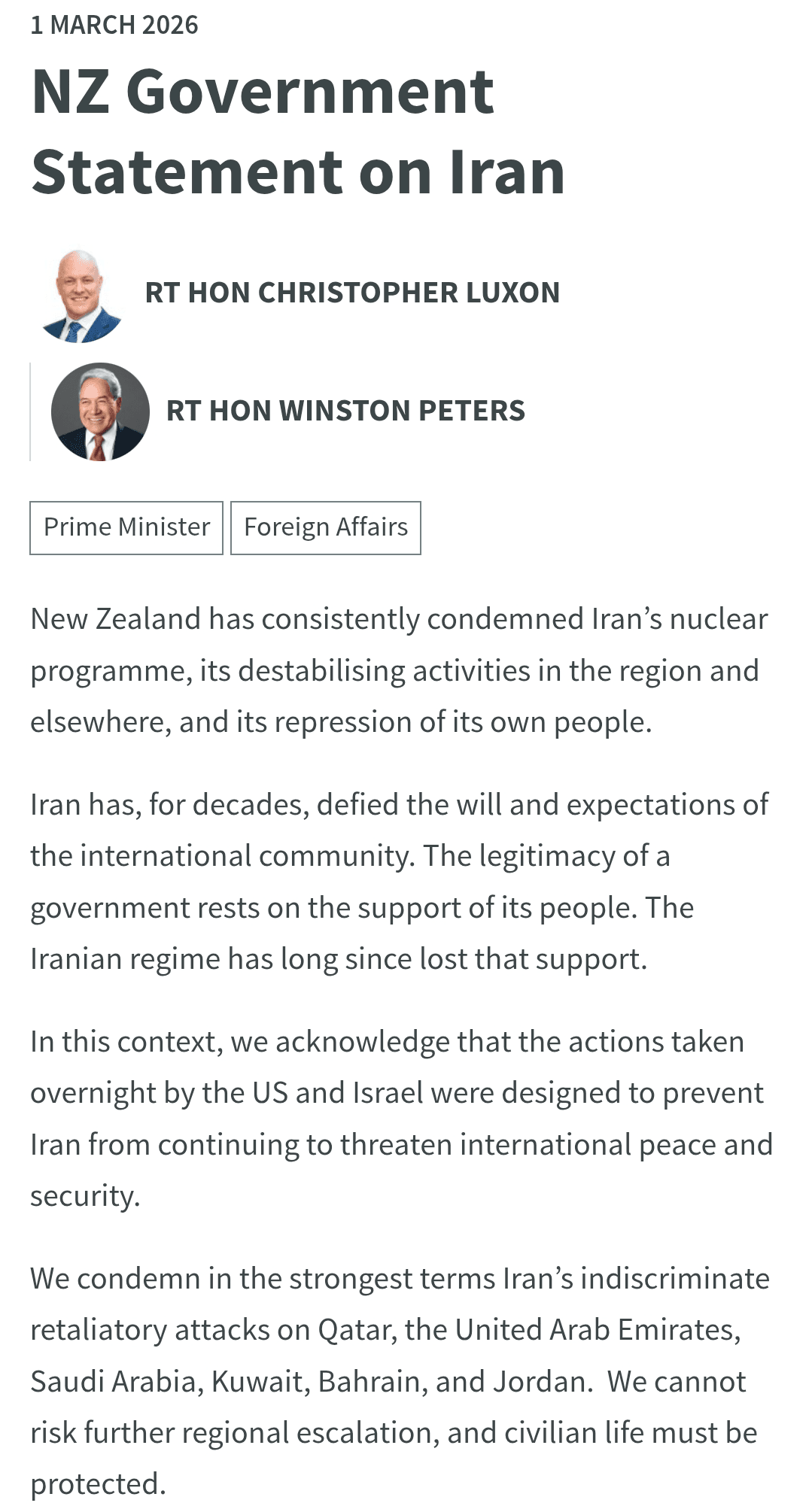
The NZ government statement follows: