True democracy demands that those wielding power answer to the people.
When politicians sidestep accountability, they don’t just undermine trust—they gut the very foundation of self-governance, leaving us with a sham democracy where elites rule unchecked.
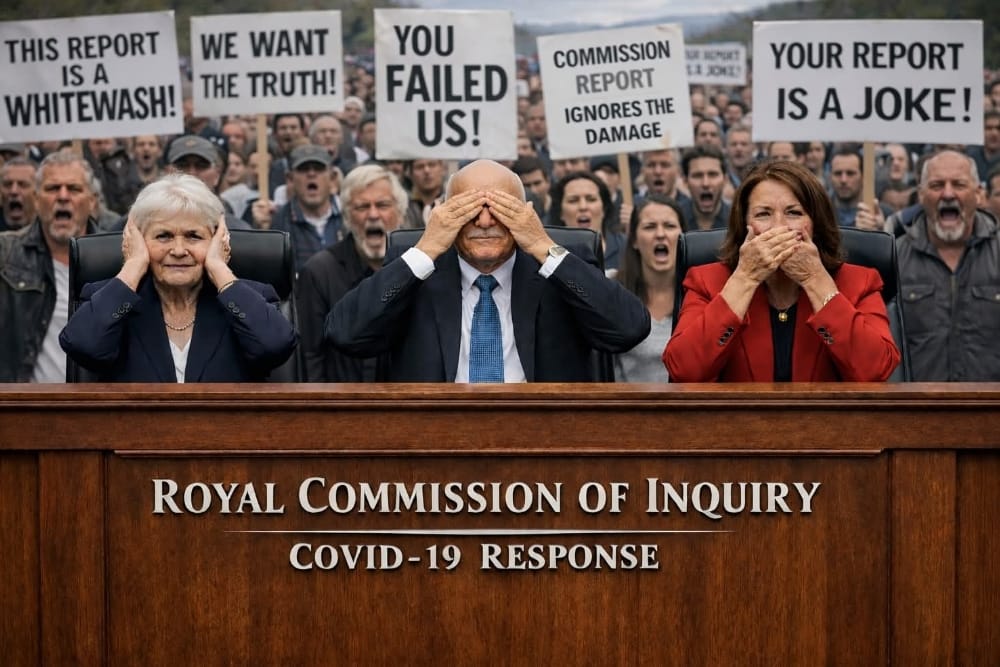
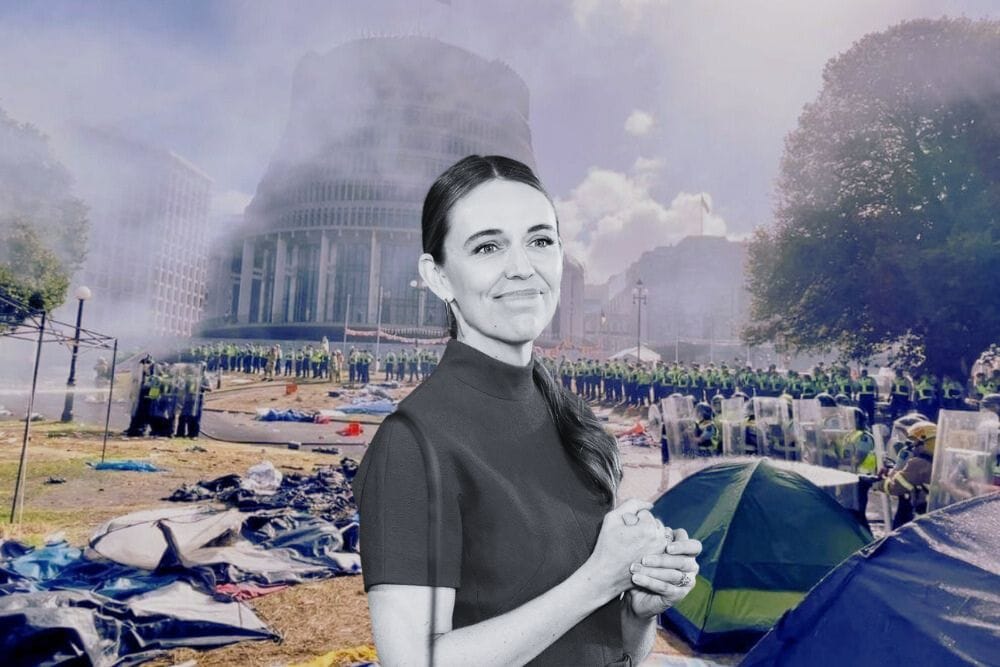
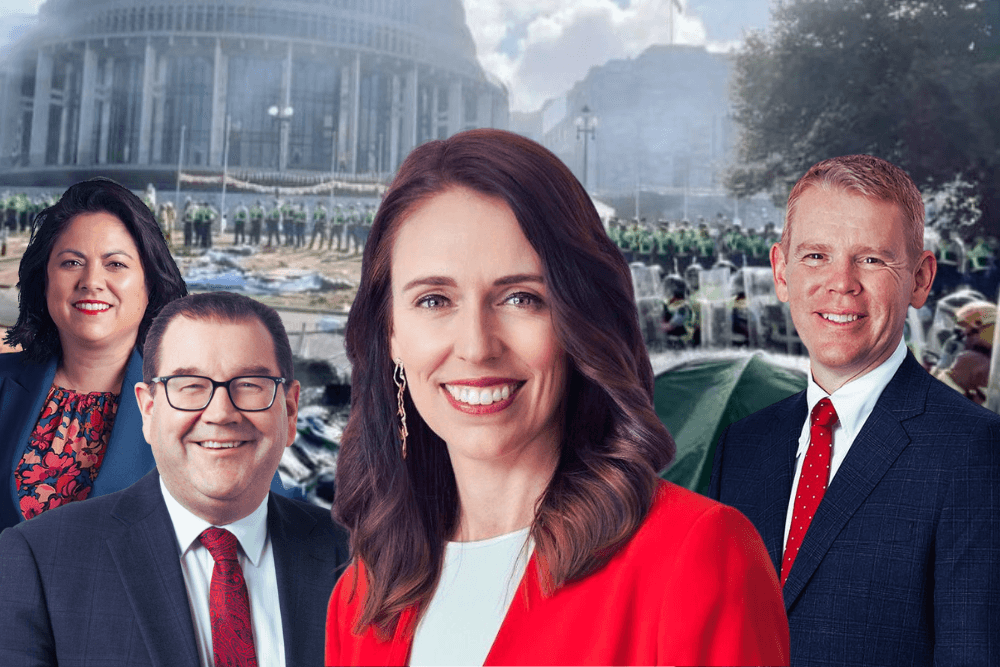
Nowhere is this betrayal more glaring than in New Zealand’s recent Covid-19 Royal Commission of Inquiry debacle, where former Labour Party heavyweights, including Jacinda Ardern, Chris Hipkins, Grant Robertson, and Ayesha Verrall, brazenly refused to face public hearings, effectively thumbing their noses at the citizens they once controlled with an iron grip.
The inquiry’s second phase, launched by the coalition government, sought to scrutinize the Labour government’s draconian 2021-2022 Covid policies—lockdowns, vaccine mandates, and economic fallout that shattered lives and livelihoods.
Yet, when called to account publicly, these former ministers slammed the door shut, canceling a week-long public session in August 2025.
Their excuses?
A flimsy appeal to a convention of private interviews for ex-ministers, whining about “performative” hearings, and a convenient fear that livestreamed testimony might be “tampered with or misused.”
Ardern, who once basked in daily televised Covid briefings, managed a three-hour private chat, while Hipkins and others followed suit, offering closed-door answers as if that satisfies a nation demanding transparency. Hipkins even had the gall to call the inquiry’s terms politically motivated, smearing them as a platform for “conspiracy theorists”—a cheap shot to dodge accountability while dismissing legitimate public concerns.
This isn’t cooperation; it’s cowardice.
These politicians, who once imposed sweeping restrictions on New Zealanders’ freedoms, now hide behind closed doors, shirking the public scrutiny their actions warrant. Deputy Prime Minister David Seymour nailed it: their refusal marks a “stark change” from the days they wielded “extraordinary powers” over every facet of life.
Winston Peters was blunter, branding it a “Podium of Evasion” and accusing Labour of colluding to avoid hard questions.
The public agrees—53% of Kiwis, per a Curia poll, reject this stonewalling, with only 28% buying Labour’s excuses.
The inquiry’s chair, Grant Illingworth KC, admitted public hearings would’ve bolstered trust but weakly declined to issue summonses, letting these elites off the hook.
This is democracy on life support.
When those who governed through fear and control—shutting businesses, mandating vaccines, and silencing dissent—refuse to face the people, they expose a system rotten with unaccountable power. Labour’s defenders might argue private interviews suffice, or that public hearings risk politicization.
Nonsense.
Private testimony, hidden from view, breeds suspicion and fuels distrust, especially when the stakes involve policies that upended lives. If hearings can be manipulated, so can private accounts—without public oversight, who verifies the truth?
The claim of protecting witnesses from abuse is a red herring; accountability isn’t optional just because the internet’s mean.
This saga lays bare a grim truth: without ironclad mechanisms to hold politicians accountable—be it through transparent inquiries, robust checks and balances, or the courage to face the public—democracy becomes a hollow shell.
Ardern and her Labour cronies have shown they’d rather duck and weave than stand in the light. If this is what passes for governance, we’re not dealing with democracy but an oligarchy in sheep’s clothing.
Where’s the line?
There isn’t one—public accountability isn’t negotiable.
Anything less is a betrayal of the people they swore to serve.