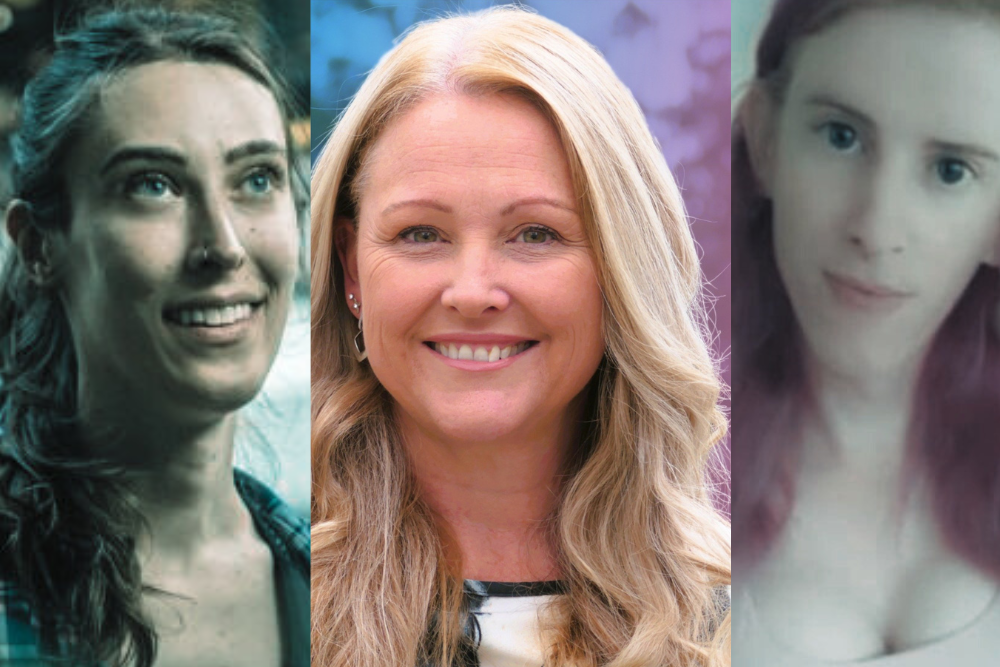

In a horrifying incident that has shaken the quiet community of Tumbler Ridge, British Columbia, Canada, an 18-year-old former student carried out a devastating mass shooting, claiming the lives of eight people before taking his own.
The mass murderer, identified by police as Jesse Van Rootselaar but known in the community and on social media as Jesse Strang, opened fire at a private residence and then at Tumbler Ridge Secondary School on 10 February 2026.
Among the victims were his own mother, Jennifer Strang, aged 39, and his 11-year-old stepbrother. Twenty-five others were injured in the attack, marking one of the deadliest school shootings in Canadian history.
Strang, who was born male and reportedly began identifying as female around 2020, had not attended school for four years and had a history of mental health issues, including recent psychiatric care.
Police confirmed that he came from a family where firearms were present, and he had access to weapons, including rifles.
Reports indicate he was found dead at the scene from a self-inflicted gunshot wound, bringing the total death toll to nine.
Eyewitness accounts described scenes of terror, with students barricading themselves in classrooms for hours as the rampage unfolded.
This tragedy has not only left a small northeastern Canadian town reeling but has also ignited a broader debate about the factors contributing to such acts of violence. While gun control advocates are quick to point fingers at firearm availability—despite Canada’s already strict laws—the shooter’s background raises deeper concerns.
Strang’s family had a documented history with police involving mental health calls, and he reportedly posted content online featuring firearms and trans pride symbols.
His mother, in a resurfaced social media post from 2024, defended transgender rights while identifying as a “conservative-leaning libertarian,” adding a layer of irony to the family’s story.

Yet, amid the grief, one cannot ignore the pattern emerging in recent mass shootings involving individuals who identify as transgender.
While mainstream media fact-checkers insist such cases are rare, this does little to quell the questions raised by the clustering of these incidents in recent years. Conservative commentators argue that even if the overall percentage is low, the murderous spike demands scrutiny.
Why, for instance, have several high-profile shootings—like the 2023 Nashville Covenant School attack by Audrey Hale, the 2022 Colorado Springs nightclub shooting, and now this in Tumbler Ridge—involved transgender perpetrators?
Critics suggest a potential link between gender dysphoria, hormone treatments, and untreated mental illness.
Hormone therapy, often involving testosterone for those transitioning to male or other regimens, has been associated in some studies with increased aggression or mood instability, though this remains controversial.
Could the affirmation of gender transitions without adequate psychological safeguards be exacerbating underlying issues?
In Strang’s case, his transition began at a young age, and reports of family support for transgender causes contrast sharply with the outcome.
As one X user noted, “TRANSGENDER VIOLENCE is an epidemic!”—a sentiment echoed in conservative circles amid media reluctance to highlight the shooter’s gender identity.
From a New Zealand perspective, where conservative values emphasise family stability and mental health support, this incident serves as a cautionary tale.
Our own debates on gender ideology in schools and healthcare mirror those in Canada and the US.
Is there a correlation between rapid gender transitions, pharmacological interventions, and violent outbursts in vulnerable individuals being subjected to transgender conformity?
And why do legacy media outlets seem hesitant to explore these angles, often labelling such inquiries as “transphobic”?
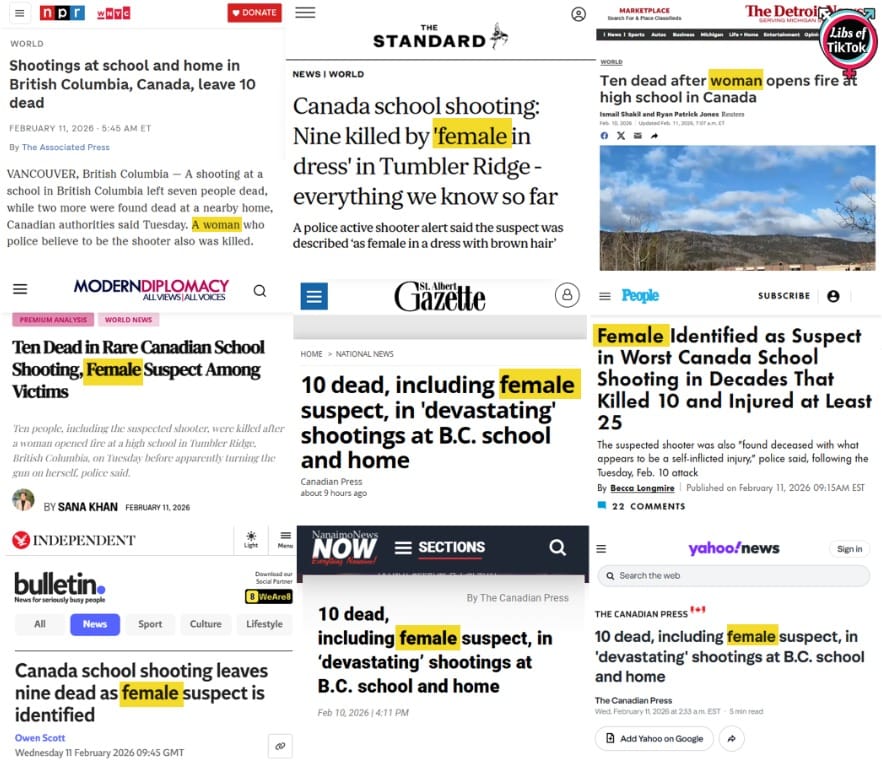
As Tumbler Ridge mourns, the world must confront not just the horror of gun violence but the societal factors that may be fuelling it.
Ignoring uncomfortable patterns in the name of political correctness helps no one—least of all those struggling with identity and mental health.
It’s time for honest dialogue, robust support systems, and policies that prioritise reality over ideology.