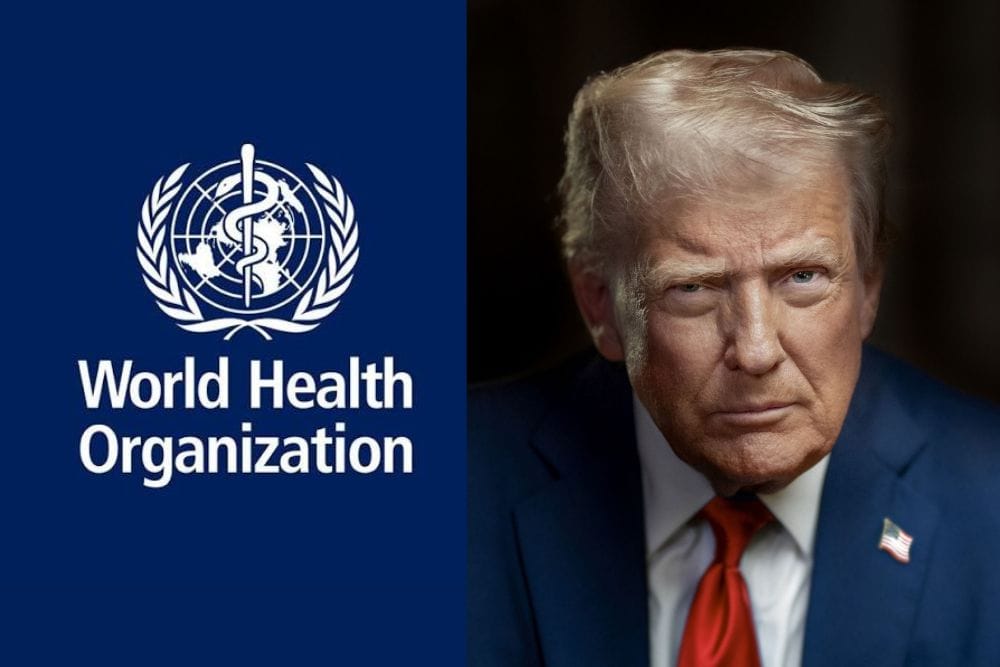
As the United States completes its withdrawal from the World Health Organisation (WHO) this week, questions are mounting over New Zealand’s continued allegiance to the global body.
Critics argue that the WHO’s bungled handling of the COVID-19 pandemic, coupled with overzealous responses from governments like the former Ardern regime, inflicted unnecessary economic and social pain on Kiwis – pain that lingers even as the nation grapples with fresh challenges.
The US exit, effective 22 January 2026, leaves a gaping hole in the WHO’s budget, with America previously footing around 20% of the bill.
This follows President Donald Trump’s renewed push to pull out, citing the organisation’s failures during the pandemic, including its slow response to early warnings and perceived bias towards China.
While the WHO has lamented the departure and urged reconsideration, the move underscores a growing scepticism among conservative voices about unelected international bodies dictating national health policies.
New Zealand remains a steadfast member, contributing to the organisation’s coffers and aligning with its guidelines.
Critics point to the WHO’s role in what they describe as a cascade of global mismanagement during COVID-19.
From downplaying the virus’s human-to-human transmission in early 2020 to then promoting lockdowns and mandates that proved divisive and, in some cases, ineffective, the organisation is accused of prioritising politics over science.
In New Zealand, these missteps were amplified under the Ardern government, which critics say blindly followed WHO advice, leading to prolonged lockdowns that crippled small businesses and devastated mental health issues.
The Ardern regime’s “go hard, go early” strategy, while initially praised abroad, drew sharp domestic backlash for its draconian measures. Auckland’s extended Level 4 lockdown in 2021, for instance, isolated families and shuttered the economy, with critics arguing it overstepped without sufficient evidence of long-term gains.
Court rulings later deemed parts of the early lockdown unlawful, and vaccine mandates – enforced rigorously – were challenged as unjustified limits on personal freedoms. These policies, influenced by WHO protocols, reportedly amplified social inequalities, hitting Māori and Pasifika communities hardest and fostering nationwide mistrust in government and linked industries such as media, healthcare, police and the like.
Furthermore, the rise of anti-vax sentiment and anti-suppression protests, including the unprecedented Freedom Convoy/Freedom Village in 2022, is blamed by critics on heavy-handed enforcement that followed WHO-endorsed global trends.
While the strategy kept case numbers low, it came at a steep price: ballooning debt, job losses, and a divided society. As one conservative commentator noted, “The WHO’s one-size-fits-all approach ignored local realities, and Ardern’s team ran with it, turning New Zealand into a lockdown laboratory.”
With a more conservative coalition government now steering the ship, there’s an opportunity to pivot.
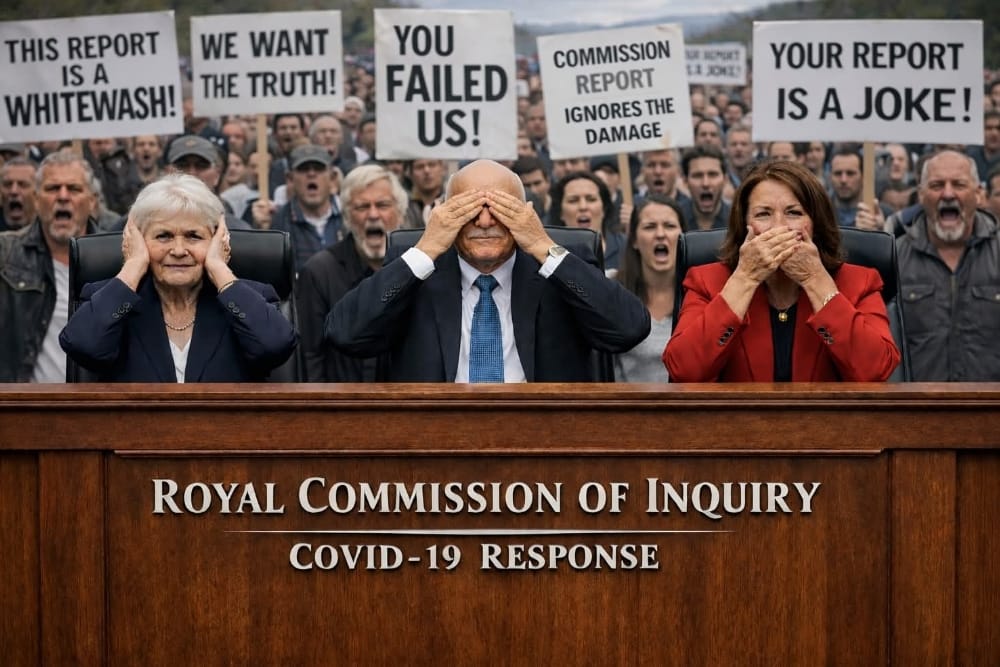
The ongoing Royal Commission into COVID-19 responses has seen former ministers, including Ardern, refuse public appearances, fuelling speculation about accountability. Many are urging a full review of WHO ties, suggesting NZ could redirect funds to bolster its own health sovereignty – much like the US.
As the world moves on from the pandemic, New Zealand’s allegiance to the WHO hangs in the balance, with more voices calling for a more more independent, conservative path.
For now, the debate rages: is loyalty to the WHO a strength or a shackle?