The Independent Police Conduct Authority’s 135-page report was supposed to be the final word on how New Zealand Police catastrophically mishandled serious allegations against then-Deputy Commissioner Jevon McSkimming. Instead, the fallout has only grown more damaging, exposing a culture of loyalty over duty and a disturbing willingness by senior figures to rewrite history when the spotlight turns on them.
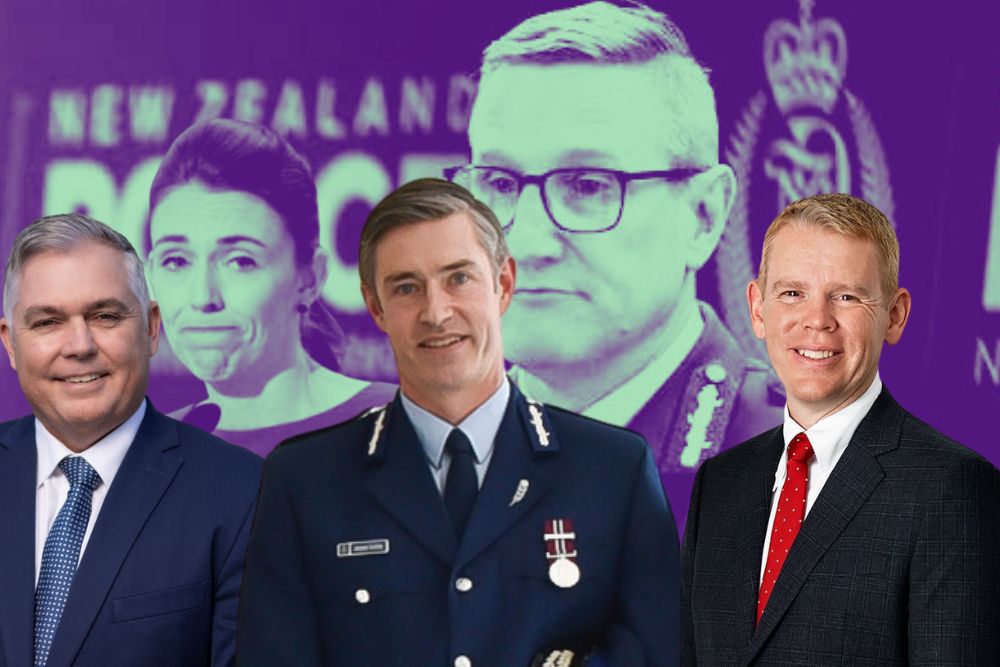
Former Commissioner Andrew Coster, who resigned from the Social Investment Agency within hours of the report’s release, used a TVNZ Q+A interview to claim he had personally warned both Chris Hipkins (in a 2022 car ride) and Mark Mitchell (in informal 2024 conversations) that McSkimming had admitted an affair with a much younger staff member that had turned toxic and was generating allegations.
Coster offered no documentation, no dates and no corroboration — only an admission that he had failed to keep notes because he “wrongly assumed people would not run for the hills”.
Both ministers rejected the claims categorically.
Hipkins stated he was never briefed and that, had he known the details now public, McSkimming would never have been appointed. Mitchell described Coster’s account as incorrect and “disappointing”, highlighted the IPCA’s finding that Coster’s recollections were frequently “inconsistent and unreliable”, and suggested the former commissioner pursue legal remedies if he stood by his version.
The controversy over dozens of complaint emails sent to Mitchell’s office has further eroded trust.
Despite more than 30 messages containing serious allegations landing in the ministerial inbox, neither Mitchell nor his political advisers ever saw them.
A protocol — run by seconded police staff — automatically forwarded the emails to Coster’s office without the minister’s knowledge.
Coster maintains he was unaware of any such arrangement. A handwritten file note from January 2024, only digitised and expanded “from memory” in November 2025, has since emerged as the primary evidence that the protocol existed.
Critics argue the arrangement amounts to an institutional shield that protected senior police figures while silencing a complainant who was later charged (charges ultimately withdrawn) for sending the very emails that were being buried.
Jevon McSkimming himself pleaded guilty last month to possessing child sexual exploitation material and bestiality images on police devices. He will be sentenced next month and faces having his police medals and uniform stripped.
The IPCA branded the executive response to the original complaints “atrocious on every level”, finding leaders dismissed the woman as obsessive, prioritised McSkimming’s career, and even attempted to expedite the authority’s inquiry when it risked derailing his bid for the commissioner role.
What has unfolded since the report’s release — contradictory claims, vanishing records, and convenient rediscoveries of paperwork — has only reinforced the perception that New Zealand Police leadership remains more focused on self-preservation than genuine accountability.
For an organisation that demands trust from the public it serves, the damage could scarcely be more severe.