I should have guessed the Climate Action grifters would try to monetize this week’s landslide tragedy before families even had a chance to grieve.
A hastily organised protest, complete with climate action now signs, heckled Prime Minister Chris Luxon at Coromandel today, while Victoria University’s Professor James Renwick waxed lyrical in morning media about the need for urgent government action to avoid this kind of extreme weather.
Climate scientist Kevin Trenberth also skated close to the edge in a similar opinion piece, but at least acknowledged the dominant role of La Nina, a natural oceanic heat cycle.
Let’s deal with the elephant in the room: even if the climate grifters were correct about this being driven by anthropogenic CO2 emissions (they’re not), the mechanism by which the heat is being delivered (the oceans) mean CO2 is only a minor player.
Air, weight-for-weight, heats up four times faster than water. Stripped of the complex physics equations to save time, this means that if CO2 has raised air temperatures by 1C in 100 years, then it has managed to raise ocean heat by far less over that period.
CO2 radiation at 3 watts per square metre on the sea surface is not the primary cause of a marine heatwave 5C higher than average.
Instead, solar radiation – up to 1000 watts per square metre on a sunny day – is the primary short term heat generator affecting ocean surface temperatures. And numerous studies are now emerging saying that cleaner skies since WW2 are allowing more sunlight to reach the planet surface and thus heat the oceans.
And yes, that solar heat on the oceans comes back to bite sometimes. In 1934/35 New Zealand experienced its hottest summer because of a massive marine heatwave. A year later in the summer of 1936 New Zealand’s most powerful recorded cyclone cannonballed across the country.
But the biggest reason the climate grifters are wrong is that the oceans can take decades and even centuries to process heat. This means there’s nothing “climate action” can do to avoid extreme weather generated by ocean heat. The lag times are too long and the physics is inescapable.
The Met Service/NIWA announced that the 24 hours to 9am Wednesday were the wettest in Tauranga since their records began in 1910, with a total of 274mm (10.8 inches). As far as the Tauranga City rain gauge is concerned they were right (which is unusual for NIWA), but city endured 239mm (9.4 inches) on 21 April 1923, and the Tauranga region has seen 305mm falls at Katikati in December 1920.
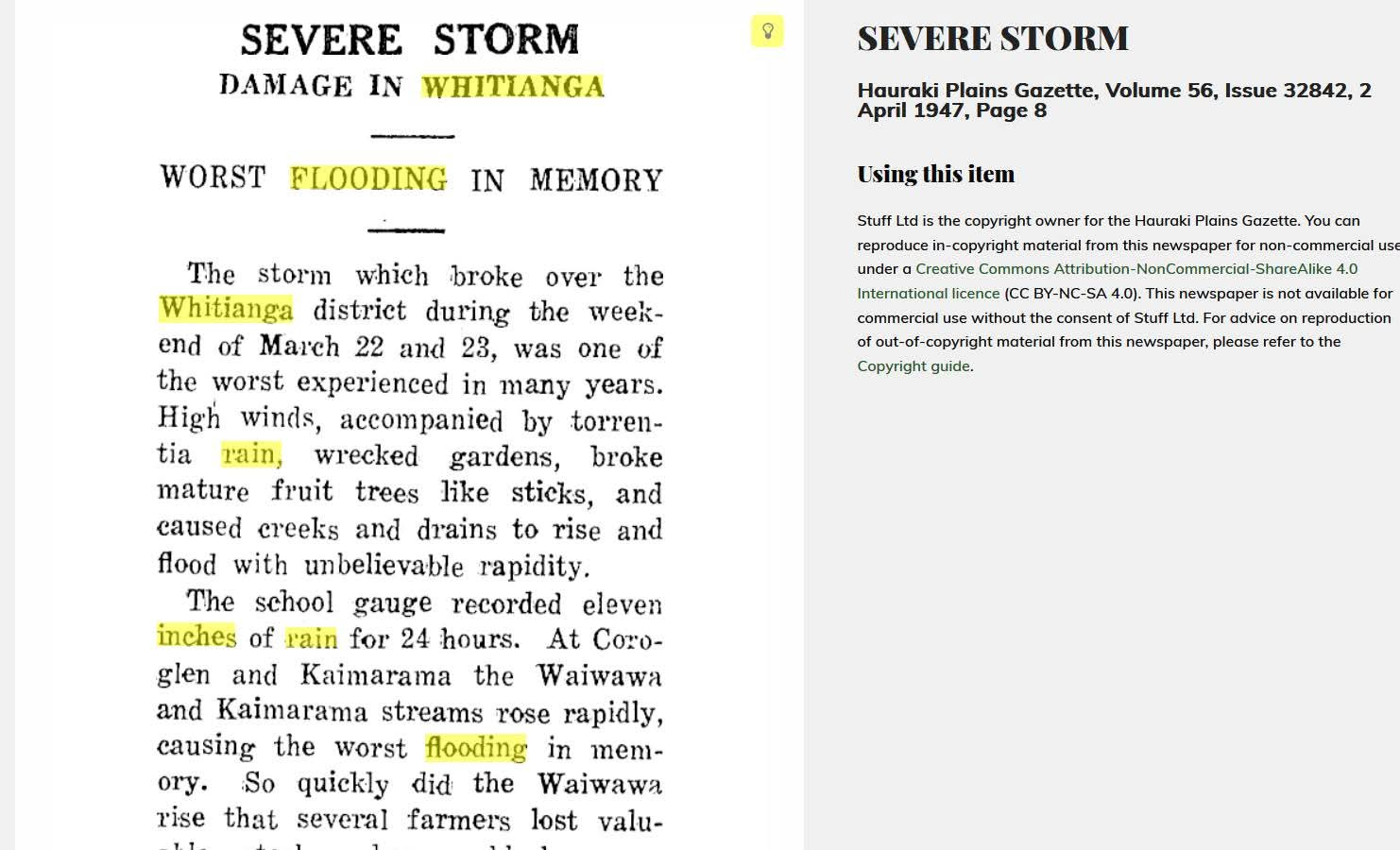
MetService also claimed Whitianga experienced its wettest day since its records began in 1987, with 248mm, but the Coromandel resort town endured a 279mm torrent on 23 March 1947, so the overall record remains unbroken.
But if the weather extremes are no worse now than in the past, what is causing the damage? Perhaps, as expected, it turns out the culprit is bad human choices. It has been known since forever that bare hillsides are prone to erosion. Building houses on the side of or below clay hills has always been a gamble.
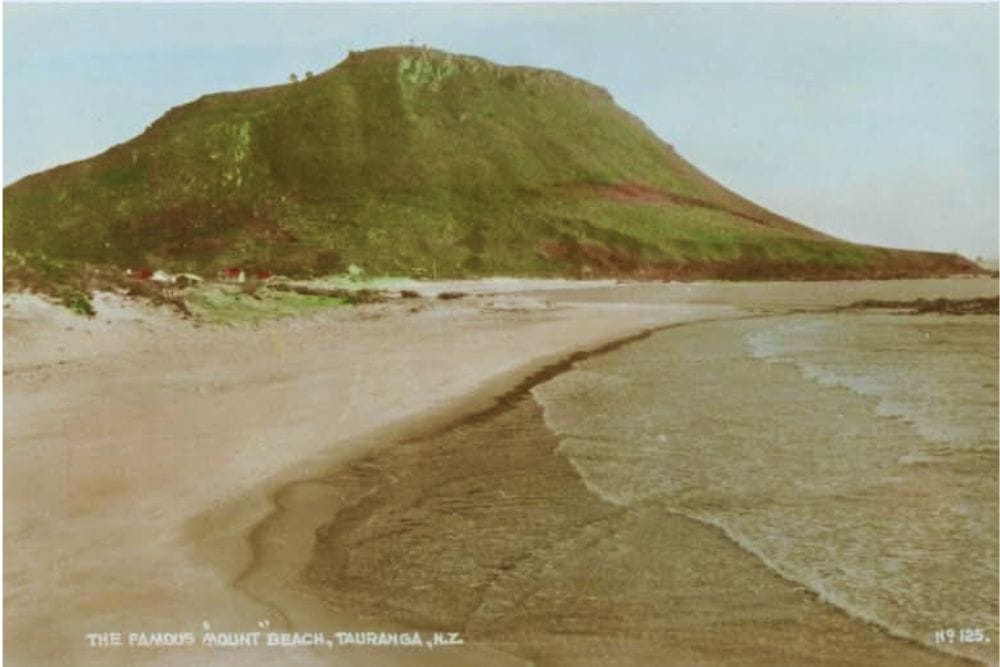
In the case of the Mt Maunganui disaster, the warning signs were all there but the council staff inspecting other landslides on the mountain that morning didn’t see a need to check water pouring out of the hillside above the holiday camp. In our lurch by a thousand footsteps into bureaucratic nanny-statism, we have abandoned our own spidey senses and abdicated responsibility for our personal safety to bureaucrats and authority figures. We can see a hillside about to collapse above us but not recognise the signs any longer. Look closely at photos of Mauao: it bears many scars from historic landslides.
And just as the image of a council contractor watering a tree in a rainstorm shows, sometimes we rely too heavily on those who have been trained to do only what a jobsheet tick-box tells them.
Nowhere was that “jobsworth” mentality more on display than in the police or FENZ first responders who ordered builders to stop trying to rescue trapped campers crying for help because one of the builders “wasn’t wearing shoes”.
Our hearts and prayers go out to all of those affected by this tragedy, and brickbats to the climate grifters trying to link SUV emissions to ocean heat and then to extreme weather. There’s a time for debate and it shouldn’t have been this early.
The best thing all of us can do is reflect on the fact that sometimes bad weather, or earthquakes, or tsunamis or volcanic eruptions happen in these lush Pacific shaky isles, and there’s always a risk, even when you think there isn’t.
By Ian Wishart
Ian Wishart is the editor-in-chief of Investigate magazine and widely regarded as New Zealand’s top Investigative Journalist