The 2008 murder of 22-year-old Sophie Elliott remains one of New Zealand’s most disturbing crimes.
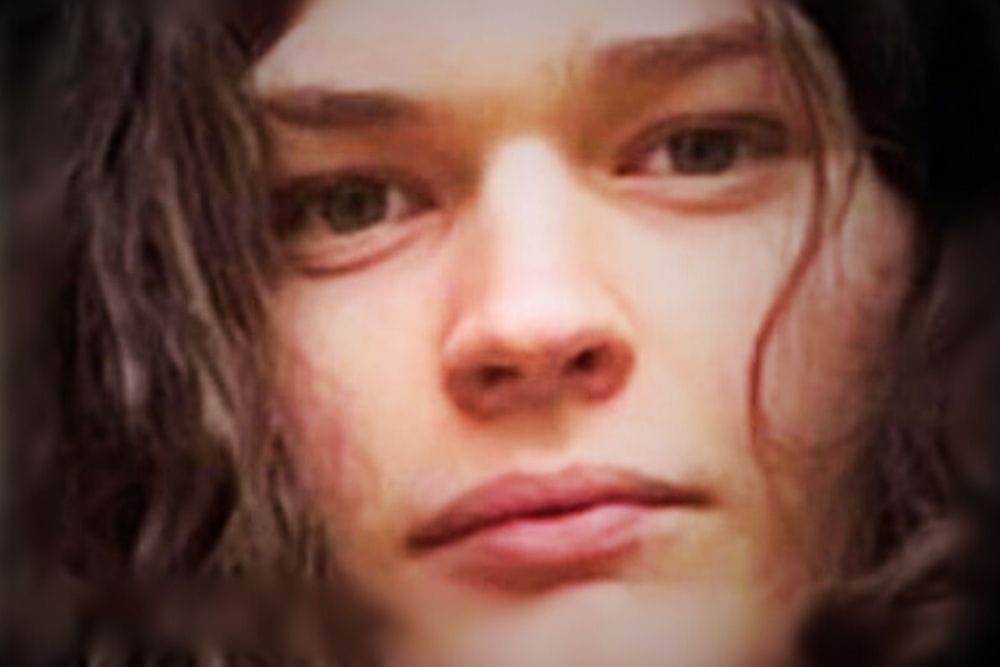
Clayton Weatherston, then 32 and an economics tutor at Otago University who had previously dated and taught Ms Elliott, stabbed her to death at her family home in Dunedin’s Ravensbourne suburb on 9 January 2008.
The attack was exceptionally brutal: Weatherston inflicted 216 stab wounds with a knife that broke during the assault, continued with scissors, caused seven blunt-force injuries, and mutilated the body afterwards. He was convicted of murder and sentenced to life imprisonment with a minimum non-parole period of 18 years. His trial claim of provocation—blaming the victim—sparked national outrage and led directly to Parliament abolishing the partial defence of provocation.
Now 50, Weatherston appeared before the Parole Board for the first time in late January 2026 after serving the full minimum term.
Sophie’s father, Gil Elliott, has publicly opposed any release. He says the 18 years have passed quickly for the family, yet the grief remains acute. “We don’t have Sophie—it’s terrible to think about it,” he said, describing her as an innocent, lovely young woman with no justification for the attack.
Elliott notes that Weatherston has shown no remorse or acceptance of guilt in prison and calls him a narcissist who could still pose a danger. He drew a parallel to Paul Wilson (Paul Tainui), who was paroled after 16 years for murder and sexual offending, only to rape and murder again. Elliott raised this case with the Board, urging them to avoid a repeat.
He highlighted the imbalance in the sentence: Sophie and her family received a permanent “life sentence” of loss and emotional/financial harm, while Weatherston’s imprisonment has been taxpayer-funded, including trial, appeals, and incarceration.
Elliott asked the Board to decline parole, impose a postponement order delaying future applications for years, and—if release ever occurs—apply strict conditions excluding Weatherston from areas where family members live (Dunedin, Christchurch, West Coast, Auckland, Whangārei). He half-jokingly suggested the remote Auckland Islands.
The hearing process has been emotionally draining, he said, amounting to re-victimisation. He submitted written opposition, though his sons declined to attend in person.
While immediate parole appeared unlikely based on public reporting, New Zealand’s system means Weatherston could eventually be released if assessed as no longer an undue risk to the community.