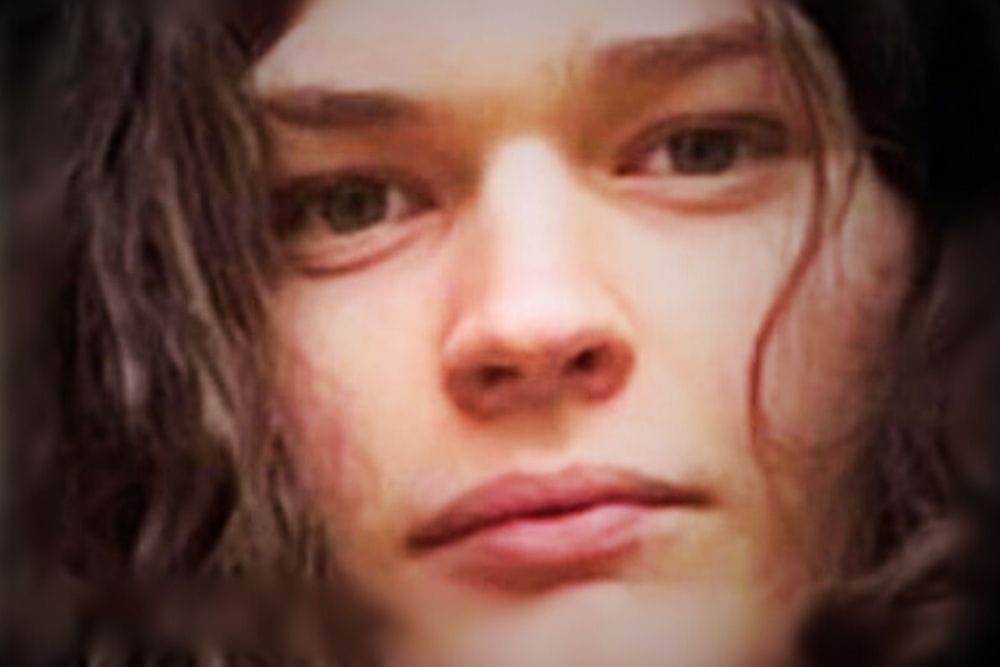
Green Party MP Benjamin Doyle has announced his resignation from Parliament, citing alleged concerns for his safety and his family’s wellbeing.
However, skepticism surrounds the nature and extent of these reported threats, with questions lingering about their validity and the context behind his departure.
Doyle, New Zealand’s first openly non-binary MP, alleged that “baseless and violent accusations” and an “onslaught of hate, vitriol, and threats of real-world violence” directed at him and his family prompted his decision to step down.
He has claimed that his young child asked him to leave Parliament, stating, “Whānau is the most precious thing in the world. My tamaiti is my priority, and I am leaving for them and my own wellbeing.” His final day as an MP is set for October 3, with a valedictory speech scheduled for September 18.
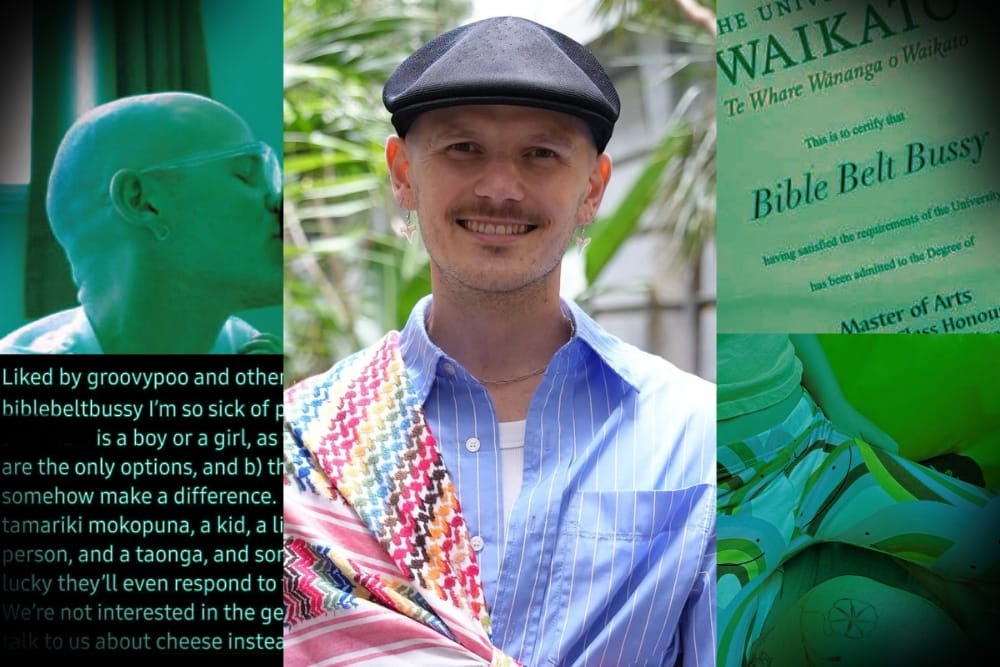
The alleged threats reportedly began after public figures, including then-Deputy Prime Minister Winston Peters, highlighted Doyle’s private Instagram account, “biblebeltbussy.” Peters raised concerns about the account’s content, including a post featuring Doyle’s child captioned “bussy galore,” suggesting it might warrant police attention.
Doyle, who uses they/them pronouns, dismissed any inappropriate intent, claiming “bussy” was a personal nickname rooted in his identity within the rainbow community, where the term blends “boy” and “pussy.”
He has alleged that the backlash stemmed from “transphobic hate” fueled by Peters and conservative influencers.
Police confirmed an investigation into the alleged threats, with Detective Inspector Warren Olsson stating they were “making progress.”
However, no concrete evidence of these threats has been publicly detailed, raising doubts about their severity or whether they were exaggerated to deflect criticism of Doyle’s online conduct.
The Green Party had advised Doyle to delete the Instagram account before entering Parliament less than a year ago, advice he admitted ignoring due to political “naivety.”
From a conservative perspective, this situation raises questions about accountability and the use of victimhood narratives to sidestep scrutiny. Doyle’s Instagram posts, particularly those involving his child, were bound to attract attention in the public sphere, especially given the provocative nature of the term “bussy.”
Critics argue that public figures must expect scrutiny of their online presence, and claiming “hate” or “threats” without clear evidence risks undermining genuine cases of harassment.
Winston Peters’ decision to highlight the account was within his rights as a public figure to question potentially inappropriate behavior, particularly when it involves a child.
Green Party co-leader Marama Davidson praised Doyle’s contributions and supported his decision to prioritize wellbeing, adding, “As a country, we clearly have work to do in making politics a safe place for everyone.” Yet this framing sidesteps whether Doyle’s own actions contributed to the controversy.
The resignation paves the way for Mike Davidson, ranked 19th on the Green Party list, to enter Parliament, having previously stood for the Innes Community Board in Christchurch.
Doyle insists he will continue advocacy work outside Parliament, stating, “Our politics, our democracy, and our Parliament should be a place for everyone.”
However, conservatives argue that democracy also demands transparency and responsibility from elected officials, and resigning under vague claims of threats risks fueling skepticism about the motives behind such exits.
Without substantiated evidence of the alleged “graphic and disturbing” threats, questions remain about whether this resignation reflects genuine safety concerns or an attempt to avoid accountability for controversial personal choices.