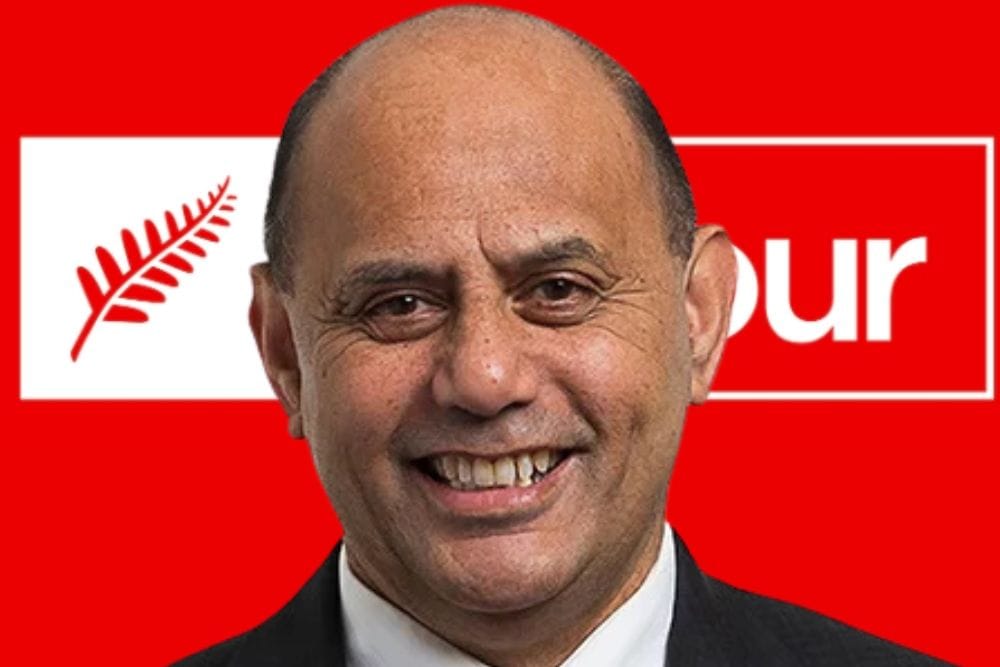
Veteran trade unionist and former Labour Party chief of staff Matt McCarten has accused Labour MP Willie Jackson of using his political influence to protect his wife, Tania Rangiheuea, from bullying and misconduct findings at the Manukau Urban Māori Authority (MUMA), a taxpayer-funded urban Māori organisation.
In a formal complaint lodged with Speaker Gerry Brownlee and in public interviews, McCarten alleges that Jackson appointed himself as Rangiheuea’s unofficial “employment advocate”, demanded that an independent report detailing serious workplace bullying be suppressed, and played a key role in removing the MUMA board chair who had commissioned the review.
McCarten further claims Jackson helped install a new board containing several Labour Party loyalists, including his own electorate agent, and that MUMA subsequently issued trespass notices against Unite Union representatives attempting to assist staff with wage and conditions grievances.
From a conservative perspective, the allegations – if substantiated – raise legitimate concerns about the misuse of parliamentary privilege, conflicts of interest, and the apparent weaponisation of cultural and political networks to evade accountability.
Taxpayer-funded entities, particularly those delivering services to vulnerable communities, should be subject to the highest standards of transparency and governance, regardless of the political or ethnic affiliations of those in charge.
The story has gained significant traction on X over the past week, with commentators across the political spectrum expressing alarm at both the substance of the claims and the near-total absence of coverage in New Zealand’s major news outlets.
Prominent voices on the platform, including political bloggers, former journalists, and ordinary voters, have repeatedly asked why Stuff, the NZ Herald, Newshub, RNZ and TVNZ have not reported nothing on the matter, despite the involvement of a senior opposition MP, documented complaints to the Speaker, and the release of supporting correspondence and board minutes.
Conservative-leaning users have been particularly pointed, arguing that the same media organisations that devoted weeks of rolling coverage to alleged misconduct involving National, ACT or NZ First MPs appear unwilling to apply equivalent scrutiny when the accused is a prominent figure from Labour’s Māori caucus.
Many see the silence as further evidence of institutional bias in legacy newsrooms, where stories that might embarrass the broader left or risk accusations of cultural insensitivity are quietly parked.
Willie Jackson has not publicly responded to the specific allegations. Labour leader Chris Hipkins and the party’s chief whip have indicated they do not regard the matter as requiring internal party action at this stage.
Speaker Gerry Brownlee has acknowledged receipt of McCarten’s complaint, but no timeline for any investigation has been announced.
For many New Zealanders who value impartial public institutions and equal application of the rule of law, the lack of mainstream journalistic interest in what appear to be credible and serious claims against a sitting MP is as troubling as the allegations themselves.
In the absence of traditional media scrutiny, social media platforms such as X have become the primary forum in which these issues are being debated and documented – a development that underscores the growing disconnect between establishment outlets and a significant portion of the voting public.
Whether the allegations against Mr Jackson are ultimately proven or disproven, the public is entitled to expect that claims of this gravity receive proper investigation and, at the very least, balanced reporting from the nation’s major news organisations.
The continued silence risks further eroding confidence in both the fourth estate and the political process it is meant to hold to account.